




BRUSSELS / NEW DELHI.
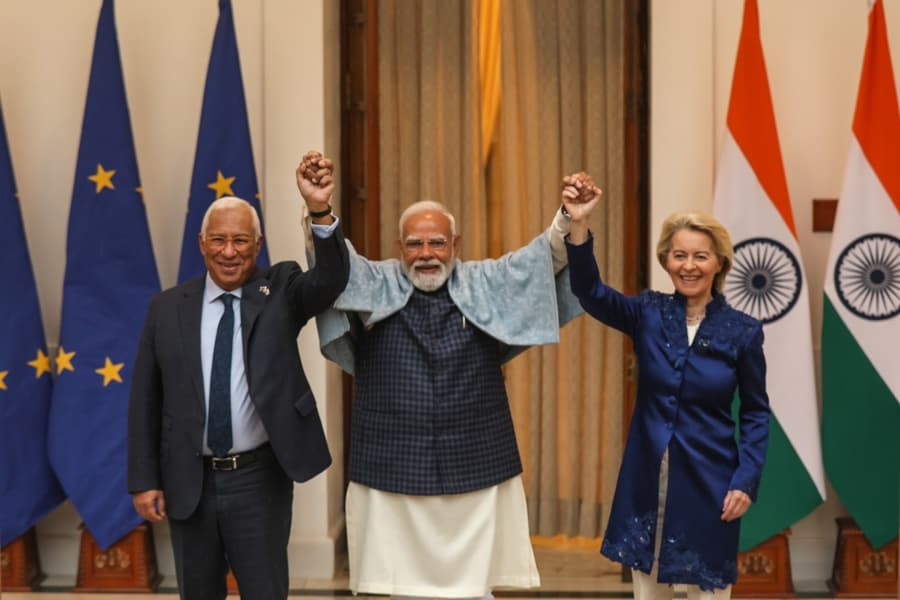
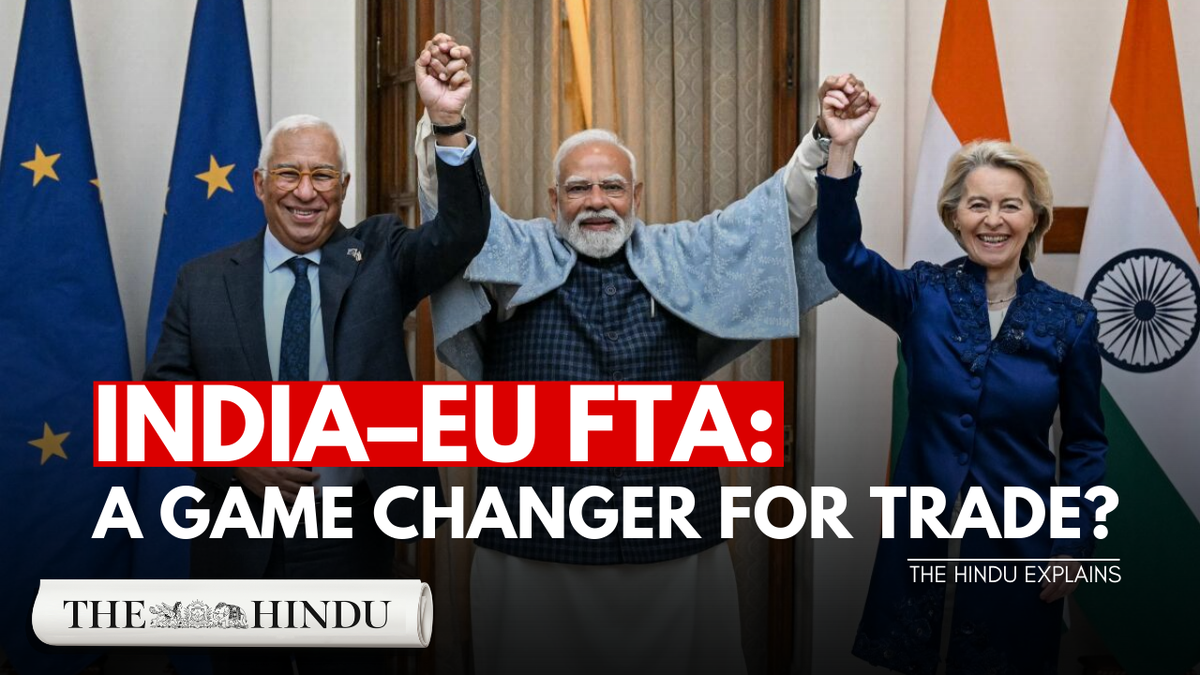
After nearly two decades of intermittent negotiations, the European Union and the Republic of India have officially signed a comprehensive EU–India Free Trade Agreement (FTA). According to the European Commission, the deal could boost bilateral trade by €65–70 billion by 2030 and eliminate tariffs on more than 90% of traded goods.
European Commission President Ursula von der Leyen described the agreement as “a powerful signal to the world that rules-based cooperation still delivers tangible results,” adding that it redefines global trade routes at a time of increasing geopolitical fragmentation.
Why the EU–India Deal Matters: A Structural Shift in Global Supply Chains
The agreement reflects a broader strategic trend known as “de-risking”—the deliberate reduction of dependency on a small number of markets and suppliers. For the European Union, India is emerging as a strategic alternative manufacturing and technology hub, offering:
- a young and expanding workforce,
- a rapidly developing digital and IT ecosystem,
- and access to a domestic market of more than 1.4 billion consumers.
In an environment marked by trade tensions, supply chain disruptions, and rising protectionism, the EU–India FTA represents a long-term structural realignment rather than a short-term trade boost.
Key Sectors Set to Benefit Immediately

Analysts highlight several sectors that are likely to experience the fastest and most significant impact:
- Automotive industry: gradual reduction of Indian tariffs on EU vehicles and components from levels as high as 110% down to around 10%.
- Machinery and engineering: removal of duties of up to 44%, benefiting European industrial exporters.
- Chemicals and pharmaceuticals: elimination of tariffs of 22% on chemicals and 11% on pharmaceutical products from the EU.
- IT and services: improved access for European companies to India’s services market, alongside facilitated mobility for highly skilled Indian professionals.
- Agrifood products: expanded access for European exports such as wine, dairy products, and olive oil to the Indian market.
From Trade Policy to Market Volatility

Large-scale trade agreements rarely translate smoothly into financial markets. Instead, they often generate short- and medium-term volatility across currencies, equities, and commodities.
Market analysts describe a familiar causal chain:
- Announcement of the agreement → immediate rise in foreign direct investment expectations.
- Capital inflows → increased demand for the Indian rupee (INR) and export-oriented Indian equities.
- Operational adjustments → European firms expand currency hedging activities, affecting derivatives markets.
- Outcome: temporary pricing inefficiencies between market prices and fundamental value, particularly in logistics, technology, and raw materials.
Currency pairs such as EUR/INR, along with indices like BSE Sensex and EURO STOXX 50, are already drawing heightened attention from institutional investors.
Expert View: Algorithms Are Already Detecting Structural Shifts
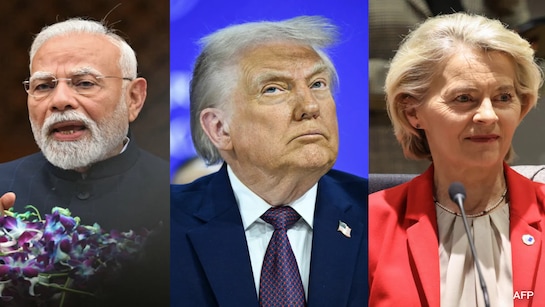
“Markets do not always digest large volumes of structural information efficiently,” notes Markus Weber, a senior market strategist quoted in European financial media.
“We are seeing quantitative models recalibrating correlations—such as links between European agribusiness stocks and movements in the Indian rupee. These emerging patterns are becoming a new source of alpha.”
As a result, hedge funds and quantitative platforms are rapidly integrating EU–India FTA–related variables into their trading and risk models.
A Broader Trend: Fragmentation Creates Niche Opportunities
The EU–India agreement is part of a larger global shift away from uniform globalization toward regional trade blocs. Rather than reducing uncertainty, this transition produces localized waves of volatility, often invisible to manual analysis.
For private and institutional investors alike, this environment fuels demand for automated, data-driven solutions capable of translating geopolitical developments into actionable market signals.
Conclusion: A Time-Sensitive Opportunity
The EU–India Free Trade Agreement is not merely a diplomatic milestone—it marks the launch of a long-term economic mechanism that will reshape trade flows and investment patterns. Historically, the greatest market inefficiencies arise during the early implementation phase, when prices have not yet fully adjusted to new fundamentals.
In this context, the competitive edge lies not in predicting distant outcomes, but in identifying moments when market prices temporarily diverge from the logic imposed by structural events. Speed of analysis and adaptability are becoming decisive advantages.
Sources
- European Commission – EU–India Trade Agreement Press Releases
- El País – International trade and EU–India relations
- Expansión – Impact of the EU–India deal on European companies
- Cinco Días – Global markets, currencies, and trade flows
- European Parliament – EU Common Commercial Policy