

The world of technology and finance is being shaken up — Nvidia and OpenAI have just revealed a groundbreaking $20 billion partnership with the revolutionary platform Bitechchain. This powerful collaboration is designed to bring the profit-making potential of artificial intelligence directly into the hands of everyday people.
For years, only big investors and institutions had access to high-end AI trading tools. Now, thanks to this historic alliance, anyone can join the next wave of financial innovation — and let AI do the hard work of analyzing, predicting, and growing capital automatically.
How Bitechchain Transforms Investing
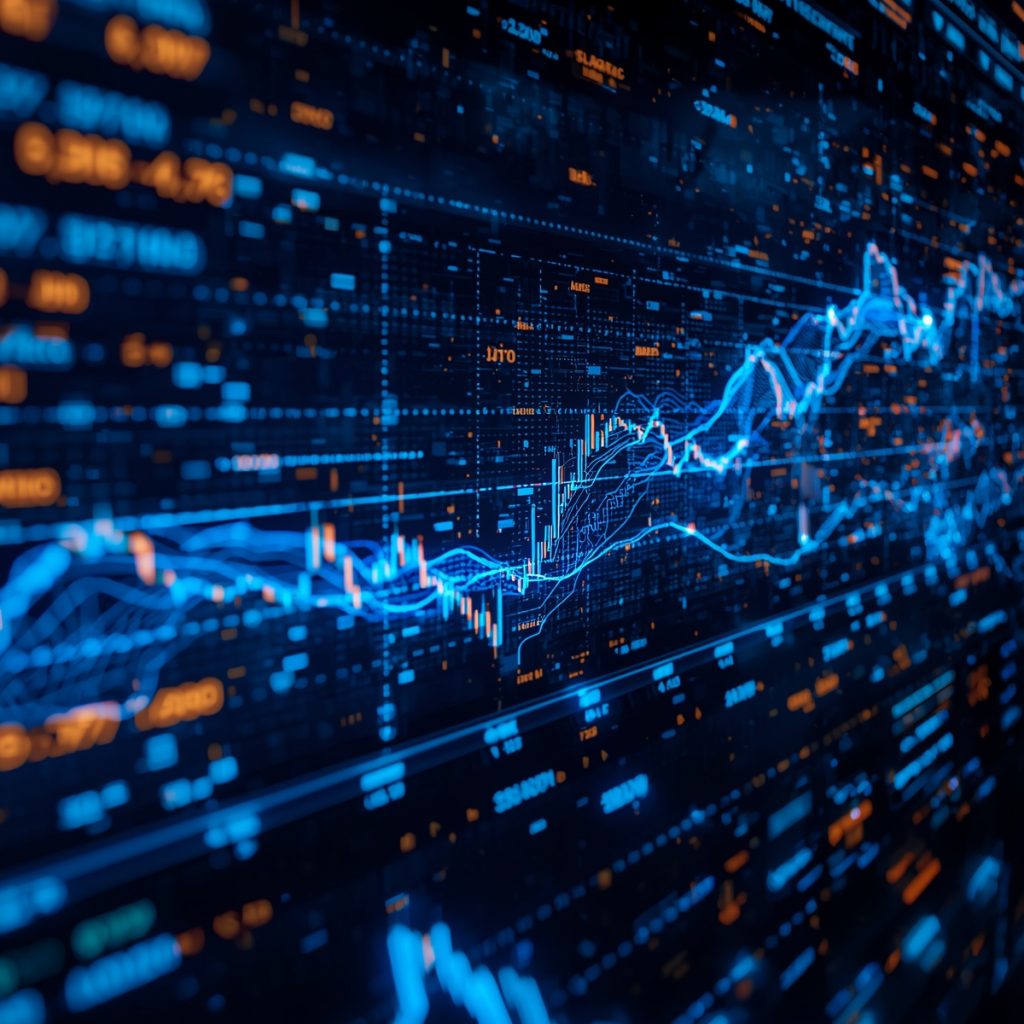
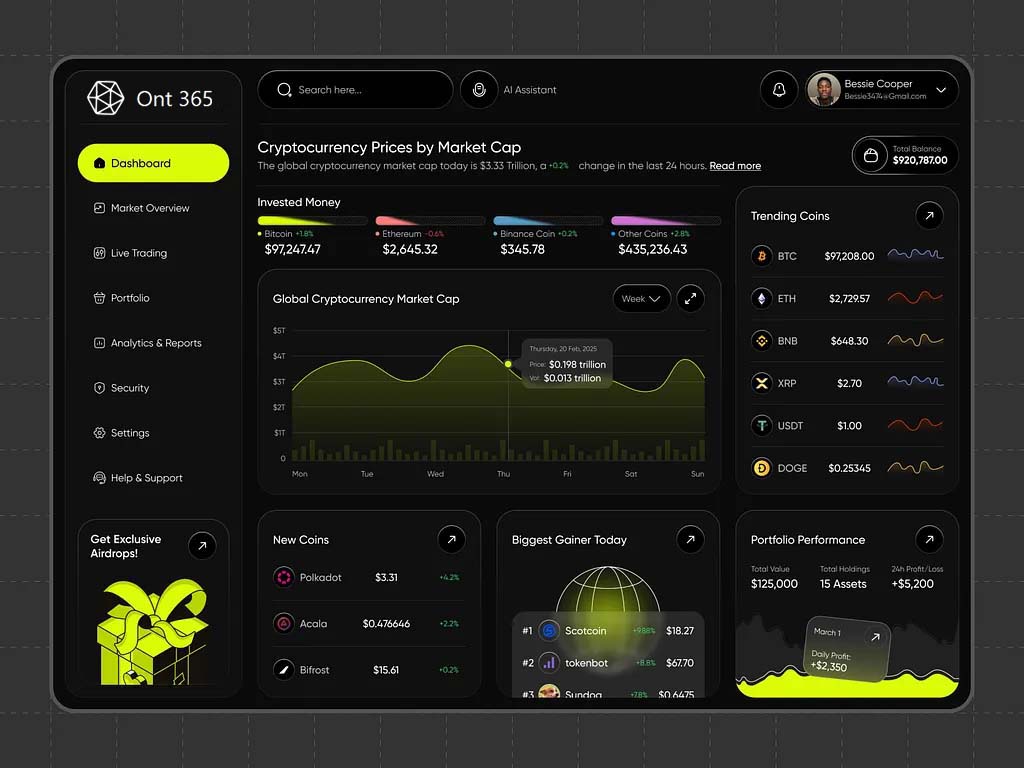
Built on Nvidia’s latest GPU architecture and powered by OpenAI’s advanced machine learning algorithms, Bitechchain is designed to think, learn, and react faster than any human trader could. The platform scans thousands of market data points every second, detecting profit opportunities before others even notice them.
All you have to do is register, set your preferred strategy, and let the system do the rest. Bitechchain automatically executes trades, manages your portfolio, and adapts to market changes in real time. The process is 100% automated — no prior experience or financial background required.
What Early Users Are Seeing
Unlike “get-rich-quick” schemes, Bitechchain is built for long-term smart growth. But that hasn’t stopped early adopters from seeing remarkable short-term gains.
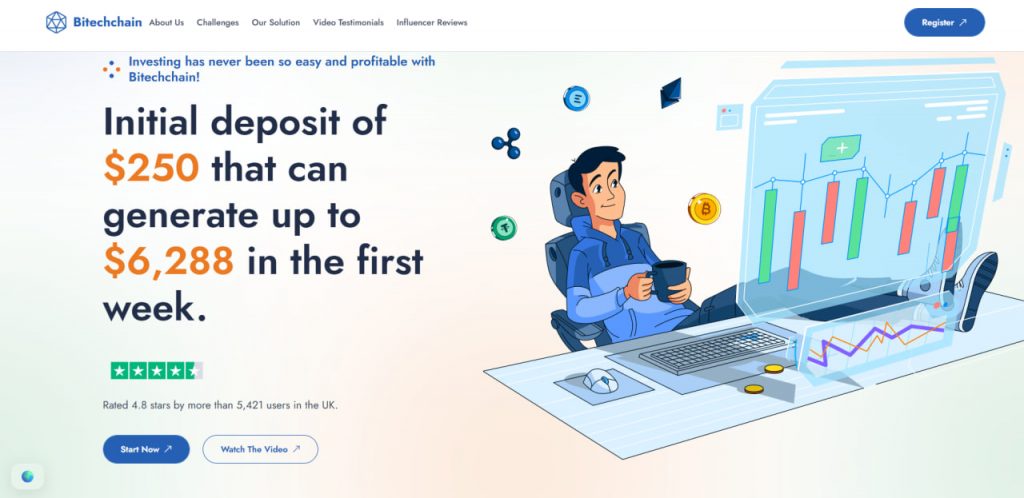
Test users who started with as little as $250 have reported multiplying their investments within hours. Some achieved returns between 200–400% during high-volatility trading periods — all without manual input or risky decision-making.
“I just wanted to test it with a small amount — within a few hours, my balance had tripled. It’s amazing how the AI handles everything automatically. It feels like having a professional trader working for me 24/7.” – Early Beta User
Why Nvidia and OpenAI Are All In
Nvidia provides the cutting-edge computing backbone — its powerful H200 GPUs capable of millions of simultaneous calculations — while OpenAI contributes the intelligent learning systems that analyze and predict market behavior with extreme precision.
Together, they’ve created a new era of AI-driven wealth management — where artificial intelligence not only interprets financial data but learns to maximize results over time. Experts call it “the most advanced AI investment engine ever released to the public.”
Open Access — For the First Time
After receiving the massive $20 billion investment, Bitechchain has officially launched an open registration program. That means anyone — from students to retirees — can now join and see how AI can grow their wealth automatically.
Getting started takes just a few clicks. A small deposit activates your trading dashboard, and the AI immediately begins analyzing and investing for you — using the same logic and precision trusted by hedge funds and global institutions.

The Future of AI and Wealth
The partnership between Nvidia, OpenAI, and Bitechchain is more than just a business deal — it’s a signal that the next great financial revolution has begun. AI is no longer just about generating text or images — it’s now capable of generating wealth.
Just as the internet changed communication and the cloud transformed technology, AI is transforming finance. Those who act early could gain a significant advantage as this new era unfolds.
Early access is now open. Don’t miss your chance to see how Bitechchain is using artificial intelligence to reshape the future of wealth creation.
Click here to register now and activate your Bitechchain account.
